ONTARIO FAMILY LAW • BRAMPTON • MISSISSAUGA • TORONTO • VAUGHAN • RICHMOND HILL • MARKHAM • OAKVILLE • BURLINGTON • MILTON • CALEDON • GEORGETOWN • PICKERING • AJAX • WHITBY • OSHAWA • AURORA • NEWMARKET • HAMILTON • GUELPH •
⸻ REPRESENTATION & LEGAL GUIDANCE
Notary & Commissioner of Oaths Services
OTHER COMMON TERMS
Notary public ▪︎ Commissioner of oaths ▪︎ Affidavit commissioning ▪︎ Certified copies
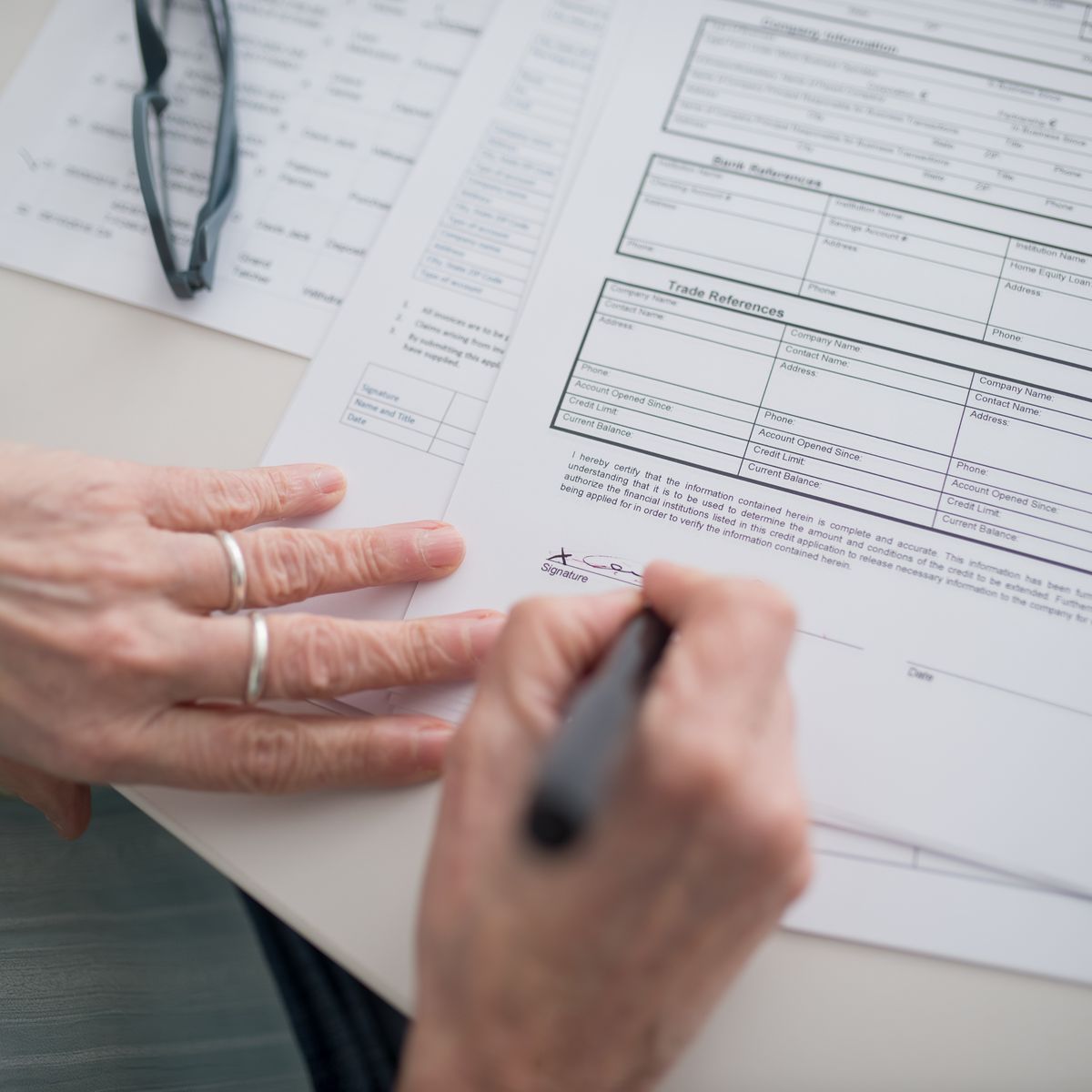
An affidavit, certified copy or document intended for another country may require a specific form of verification. In Ontario, commissioners for taking affidavits and notaries public have different powers. Sterling Law helps clients identify the requested service and prepare the documents, identification and instructions needed for an appointment.
DID YOU KNOW?
As of March 1, 2026, Ontario's remote-commissioning regulation expressly requires real-time video and audio communication between the commissioner and the person swearing or affirming the document. Remote commissioning does not mean remote notarization is allowed.
Source: Ontario Regulation 431/20, Section 1, as amended by O. Reg. 21/26
⸻ OVERVIEW
When do you need a notary or commissioner?
Commissioning and notarization are related, but they do different jobs. A commissioner for taking affidavits administers an oath, affirmation or declaration so a person can formally swear or affirm the contents of a document. A notary public may also perform certain notarial acts, including verifying signatures or certifying copies where authorized. Neither service, simply by applying a stamp or seal, guarantees that the document's statements are correct.
Before an appointment, check exactly what the receiving organization requires. It may ask for a sworn affidavit, a statutory declaration, a signature verified by a notary or a certified true copy of an original. Bring acceptable identification, all pages of the document, original papers when copies are to be certified and any specific instructions. If the document requires an oath or signature before the authorized person, confirm the signing procedure before signing it in advance.
Documents going overseas may require additional authentication or an apostille, depending on the destination. Ontario's Official Documents Services handles apostilles and authentication for eligible Ontario documents; the receiving organization decides what it accepts. A brief review of the intended use can help avoid an appointment that provides the wrong type of certificate.
⸻ WHAT'S HAPPENING IN YOUR LIFE
When might this service be relevant?
Different circumstances can raise different legal questions, even when they relate to the same service. Here are three situations in which this service may apply.
Swearing or affirming an affidavit
A document that requires an oath or affirmation may need to be completed before a person authorized to commission it.
Making a statutory declaration
An organization or process may require a formal declaration, and it is important to confirm the document's exact requirements.
Having a document notarized
Some documents require notarization rather than commissioning. The intended recipient can confirm what form of authentication or certification it will accept.
⸻ UNDERSTANDING ONTARIO LAW
The legal framework matters.
What can a notary or commissioner of oaths do?
Ontario's Commissioners for Taking Affidavits Act governs the authority to administer certain oaths and declarations; the Notaries Act provides additional powers for appointed notaries. A commissioner is not automatically entitled to certify copies as a notary. The nature of the required act must match the authorized person's appointment and applicable rules.
Ontario Regulation 431/20 permits remote commissioning of an oath or declaration where conditions are met. As amended effective March 1, 2026, the electronic method must allow the commissioner and the declarant to see, hear and communicate with each other in real time. The commissioner must check identity, use the required modified jurat, take reasonable precautions and keep a record. The receiving organization is not obliged to accept a remotely commissioned document.
Remote notarization is different. Ontario's official guidance under the Notaries Act requires the notary to be physically present when notarizing documents; remotely notarized documents are not accepted for provincial apostille or authentication. For international use, the additional authentication procedure depends on the receiving country and document type.
Wondering how this applies to you?
⸻ THINKING ABOUT TALKING TO A LAWYER?
Questions worth thinking through before you get started.
You may not always know what to ask when speaking with a lawyer, and that's perfectly understandable. These questions can help you think through your situation, identify information worth gathering, and make the most of your conversation.
01 / SERVICE REQUIRED
Does the recipient need an oath, a certified copy or a notarial act?
Read the instructions from the court, bank, school, government office or foreign authority. A commissioner can administer an oath but does not automatically certify copies. Ask the receiving organization to clarify unclear wording before booking.
02 / IDENTIFICATION
What identification and original documents must you present?
Bring current identification that the service provider accepts, the complete document and the original where a copy must be certified. If the document involves another person or a translation, confirm whether additional identification or certification is required.
03 / COMPLETE PAGES
Are all names, dates, attachments and instructions complete?
Check for missing pages, incorrect spelling, absent exhibits and blank sections that should be filled before the oath. Ask the recipient whether a special certificate, seal or wording is required. A stamp cannot correct a defective form.
04 / SIGNING METHOD
Must you sign in person or during a permitted remote oath?
Ontario notarization generally requires physical presence. Some declarations can be commissioned remotely if the Regulation's identity, real-time communication, jurat and record requirements are satisfied. Confirm what the receiving organization will accept before signing.
05 / CERTIFICATION
Is a certified copy or translated version required?
A notary normally compares the original with the proposed certified copy. Where a translation is involved, the recipient may require the translator's declaration or a separate certification. Identify the exact document and authority needed.
06 / FOREIGN DESTINATION
Will the destination require an apostille or authentication?
Check the receiving country's requirements before using a document abroad. Ontario's Official Documents Services checks signatures and seals for eligible documents and may issue an apostille or authentication certificate. Some documents need further steps even after notarization.

⸻ COMMON MISCONCEPTIONS
Let's correct some assumptions that are wrong.
Any commissioner can certify a true copy of an original document.
Administering an oath and certifying a copy are different powers. Ontario's official guidance distinguishes a commissioner for taking affidavits from a notary public. Ask for an authorized notarial certification if the recipient requires a true-copy certificate.
A notarized document is automatically valid in every country.
Foreign recipients may require an apostille, authentication, translation or additional formalities. An Ontario notarial seal does not determine another country's acceptance rules. Confirm the destination requirements and whether Ontario Official Documents Services must authenticate the document.
A commissioner verifies the truth of every fact in an affidavit.
Commissioning confirms that the declarant took the required oath, affirmation or declaration. It does not make the commissioner a fact-checker or automatically amount to legal advice on the contents. The person making the statement remains responsible for what they swear or affirm.
A video call that works for commissioning also permits remote notarization.
Under O. Reg. 431/20, certain oaths and declarations may be commissioned remotely using the required live communication and safeguards. Ontario's Notaries Act guidance, however, requires in-person notarization. These are separate services with different procedures.
⸻ COMMON QUESTIONS
Answers to the most common questions our clients ask.
What if the receiving office requires special wording or a seal?
Ask the recipient for its specific instruction, certificate wording or sample form, and bring it to the appointment. Explain whether an oath, a notarial act or a certified copy is required. The authorized person can then determine whether the requested act is within their powers and whether the correct document has been supplied.
Do I need the original document to request a certified copy?
Usually, yes. A notary needs a reliable original against which to compare the proposed copy, and the receiving organization may impose its own rules about acceptable originals. Bring both the original and any copy you need certified, along with the destination's instructions.
Should I sign an affidavit before the appointment?
Not unless you have confirmed that the applicable procedure permits it. If an oath or affirmation requires the signature to be made or acknowledged before the commissioner, signing prematurely may mean the process has to be repeated. Bring the complete draft and ask about signing before the appointment.
Can an Ontario commissioner administer an oath remotely?
Yes, if the requirements of O. Reg. 431/20 are met. As amended in March 2026, the commissioner and declarant must see, hear and communicate in real time; identity must be checked, the jurat must identify the remote process and locations, and a record must be kept. The organization receiving the affidavit may still insist on in-person commissioning. This is not permission to notarize remotely.
What should I bring to a notary or commissioner appointment?
Bring acceptable identification, the full document, required exhibits, the original if a certified copy is needed and written instructions from the receiving organization. Confirm the exact service and any additional translation or apostille requirements before attending. If a sworn signature is required, verify whether to leave it unsigned until the appointment.
⸻ FURTHER READING
Explore this topic in more detail.
It's natural to have questions, especially when legal matters are not always straightforward. How the law applies often depends on the circumstances, and even small details can make a difference. Through Insights, we explore one question at a time, explaining the law in plain language so you can better understand your options and make informed decisions about what comes next.


